

Planted in 1901. Still Telling Stories.
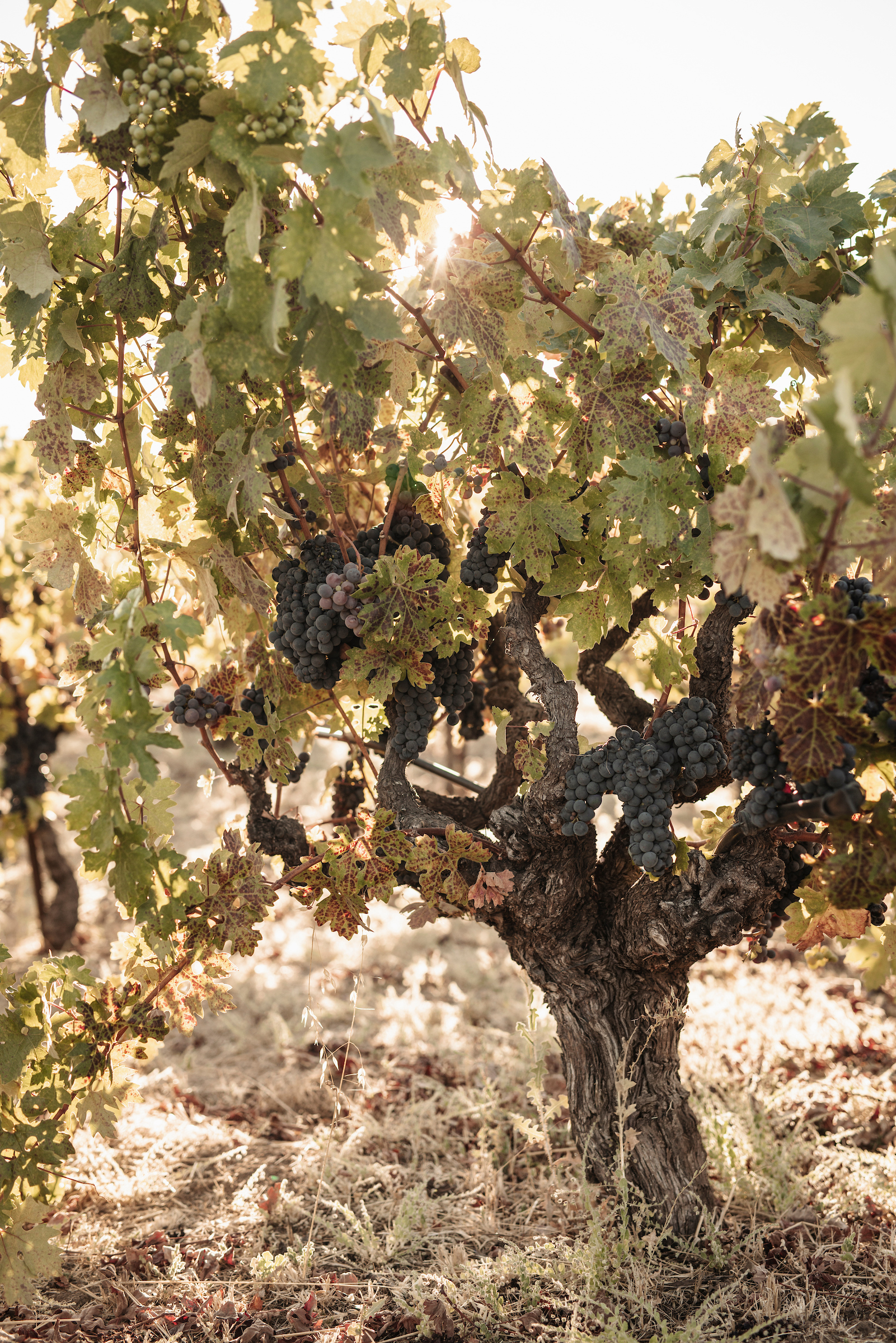
Tucked between Sonoma Mountain and the Springs is an historic 11-acre Italian field blend vineyard where grapes have been grown for over a century. Gnarly, head-trained vines alongside more recent trellised ones grow on mineral rich soil as a result of deposits left by ancient rivers and volcanic lava. Ideal conditions for dry farming.
The Field Blend
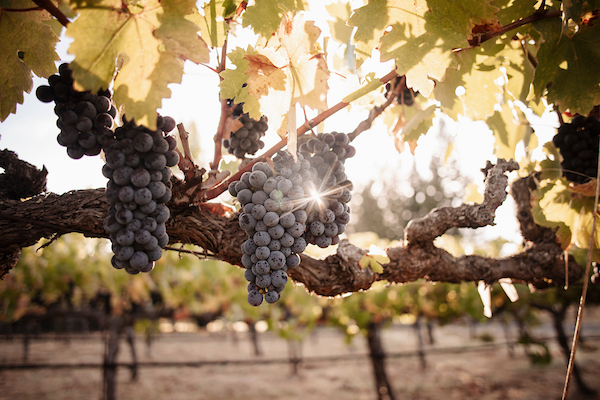
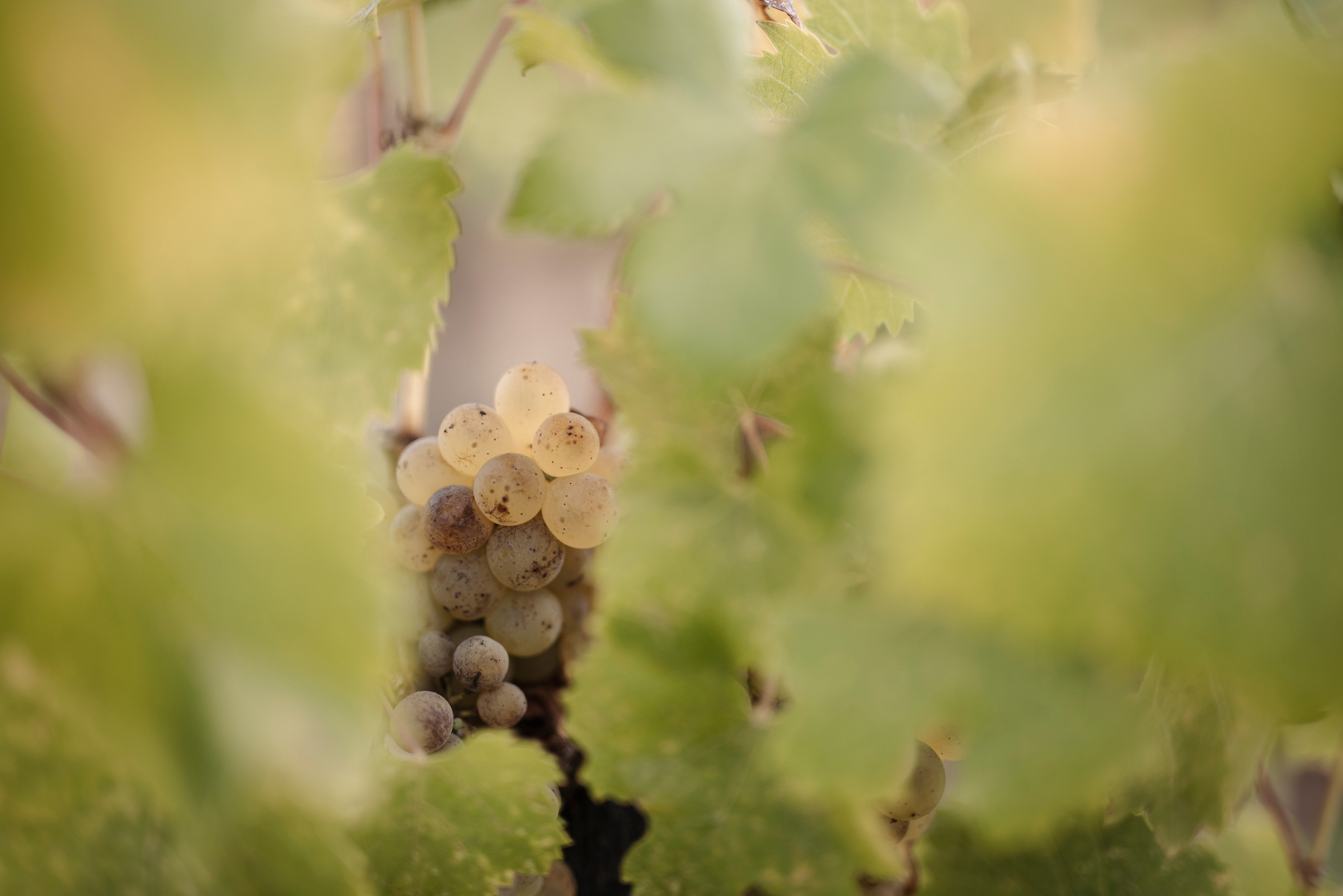
This field blend wine is made from a melange of grapes of interplanted vines that are harvested together rather than individually blended. Zinfandel shares the vineyard with red varieties Carignan, Petite Sirah, and Alicante Bouschet, along with white varieties Sémillon, Muscadelle, and Picpoul. Identifying exactly how much of each varietal can be a mystery given the century old age of the vineyard but it’s also part of the fun.
For centuries and prior to technological advances, farmers interplanted multiple varietals to address issues of acidity, color and crop resilience ensuring a balanced and consistent wine. Producing field blend wine is not as common today, but it is a continued tradition that lives on in certain wine regions, such as Italy and Portugal.
Growers and winemakers who celebrate the field blend consider it a gift from Mother Nature, and the Tre Ombres hope that you’ll love this gift as much as they do.
Sun and Fog
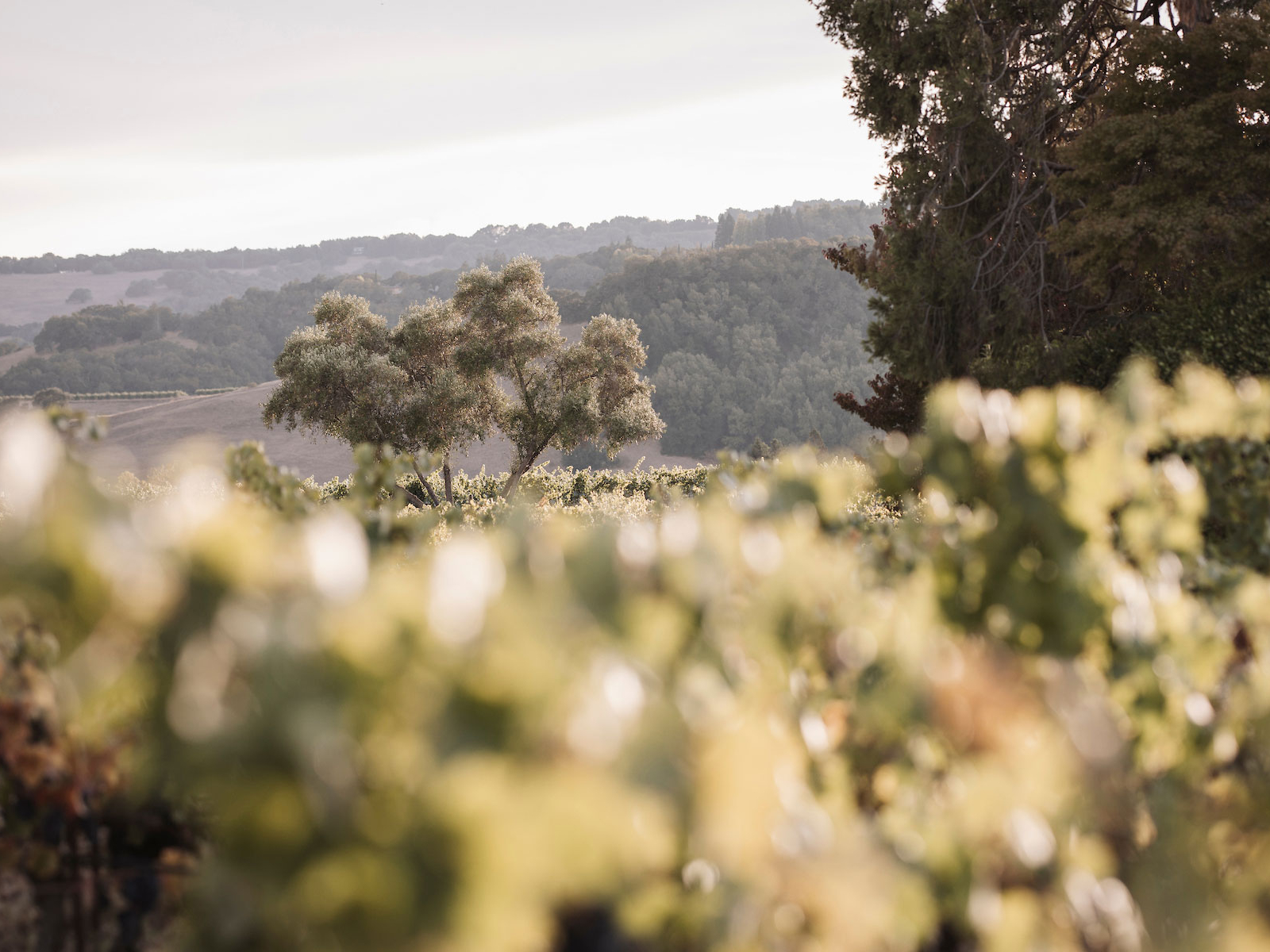
Because of its location on the valley floor near the foot of Sonoma Mountain, the vineyard absorbs heat from long summer days and enjoys the cool breezes from the Petaluma Gap. Maggie’s Reserve Vineyard was long considered a favorite among some of Sonoma’s best-known winemakers.
The Terroir
Maggie’s Reserve sits at the foot of Sonoma Mountain on the valley floor, where ancient rivers and volcanoes shaped the ground. Over thousands of years, flowing water laid down deep beds of gravelly loam, giving the vineyard excellent natural drainage. Volcanic material, including ash, basalt, and rhyolite, is part of the broader geology of Sonoma Valley, shaped in part by the Mayacamas Mountains to the east. Pockets of denser clay deep below hold moisture through the dry summer months, allowing the vineyard to be dry farmed.
The stony topsoil absorbs the day’s warmth, while cool mornings and limited water help moderate vine growth. The result is lean soil and gentle stress, encouraging the vines to put their energy into ripening fruit rather than excess foliage. These conditions have sustained the old vines for generations and continue to shape the character of the wine.
Farmed with Care
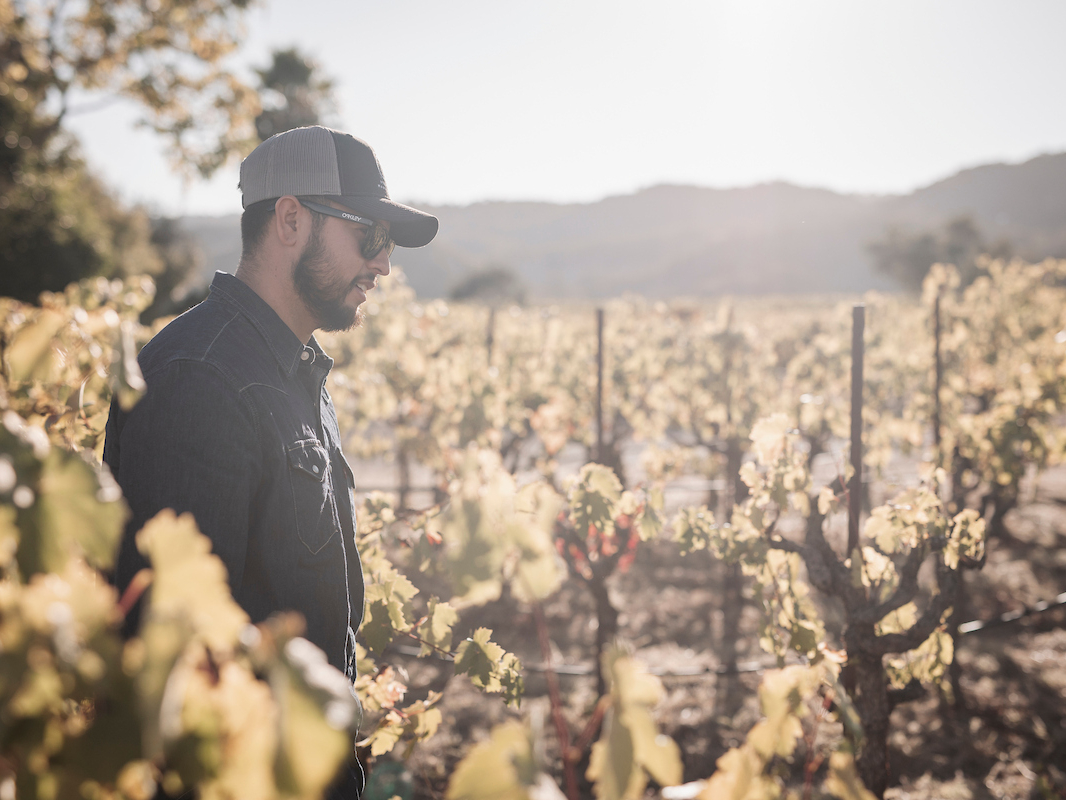
Jose Negrete and his team tend the vineyard year-round with organic and sustainable practices. Jose is a third-generation farmer and worked for one of the largest vineyard managers before starting Negrete with his father.